Table of Content
For metropolitan level, median household income values from 1960 to 2000 are from the Decennial Census. In the 1960s, owning a house was affordable in the Northeast, with a price-to-income of 2.1. However, home values started to outscale household income in the 1980s, with a price-to-income ratio of 3.7 by 1990.
The 2008 financial crash shook up the real estate market, sending home prices crashing, and leaving many unlucky homeowners with underwater mortgages. This is a gauge of how long it will take home buyers to save for a down payment, and whether they’ll be able to afford their monthly mortgage payments. Nationwide rents have increased at twice the rate of household incomes since 1960, making saving for a down payment increasingly difficult.
Is fixed rate home purchase loan the best for new property buys?
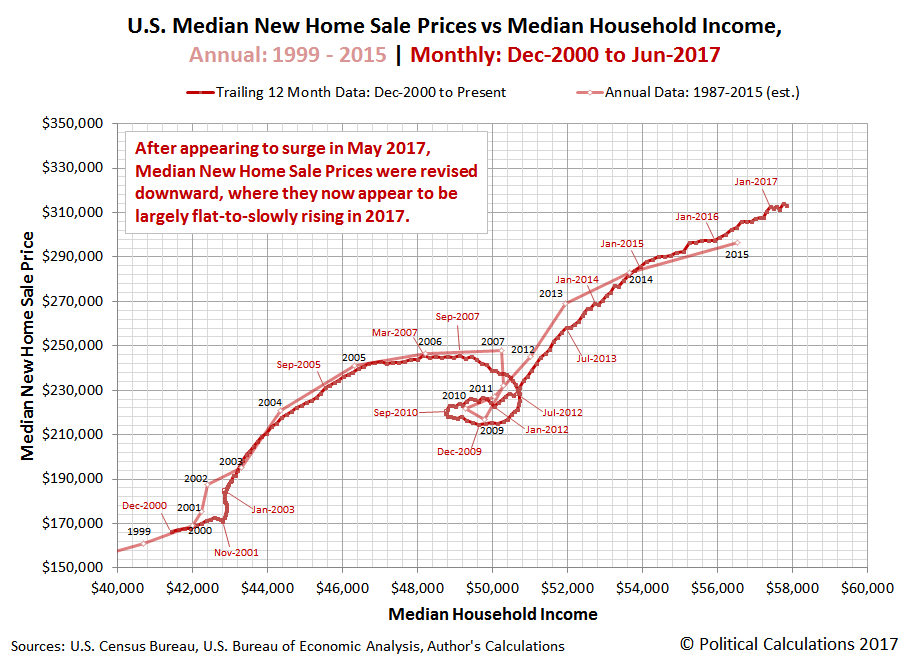
Though residential property prices in the Netherlands have been on an upward trend since 2014, in August 2021, the annual house price appreciation reached the staggering 17.8 percent. In 2022 and 2023, the growth of house prices is forecasted to continue, albeit at a slower pace. From 2019 to 2021, the average house-price-to-income ratio increased from 4.7 to 5.4 — a 14.9% increase that's more than double the recommended ratio of 2.6. In other words, homes cost 5.4x what the average person earns in one year. Since 1965, home values have skyrocketed from $171,942 to $374,900 — a 118% increase. Meanwhile, median household income crept up by just 15%, from $59,920 to $69,178 in 2021-inflation-adjusted dollars.
The data from New York City confirmed the overall trend observed in the Northeast. By 2017, the price-to-income ratio was 5.8 in New York City and median home prices increased by 184% since the 1960s, compared to a 54% increase in median household income. Although these statistics reveal that New York City is a cost-burdened metro area to purchase a house, the housing values between 2010 and 2017 suggests a potentially more optimistic housing market for the future.
Source database
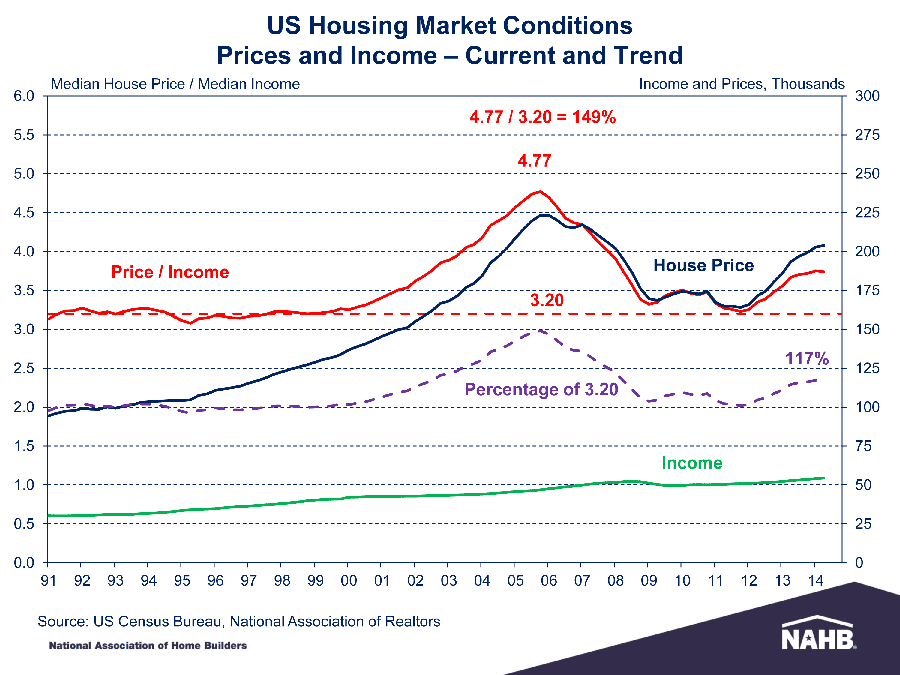
Over that same period, median household income has increased from $59,920 in to $69,178 today. The price-to-income ratio is also a good parameter to judge the current affordability of homes in a region relative to how affordable it historically was. If the price-to-income ratio is going up, it means that homes are becoming less affordable. If the price-to-income ratio is declining, it means that homes are becoming more affordable. Price-to-income ratio is the ratio between the price of a median home to that of the median annual household income in a particular area. Among the 50 most populous metro areas, none saw the percentage of underwater mortgages rise since 2015 — likely because skyrocketing prices actually increased homeowners’ equity.
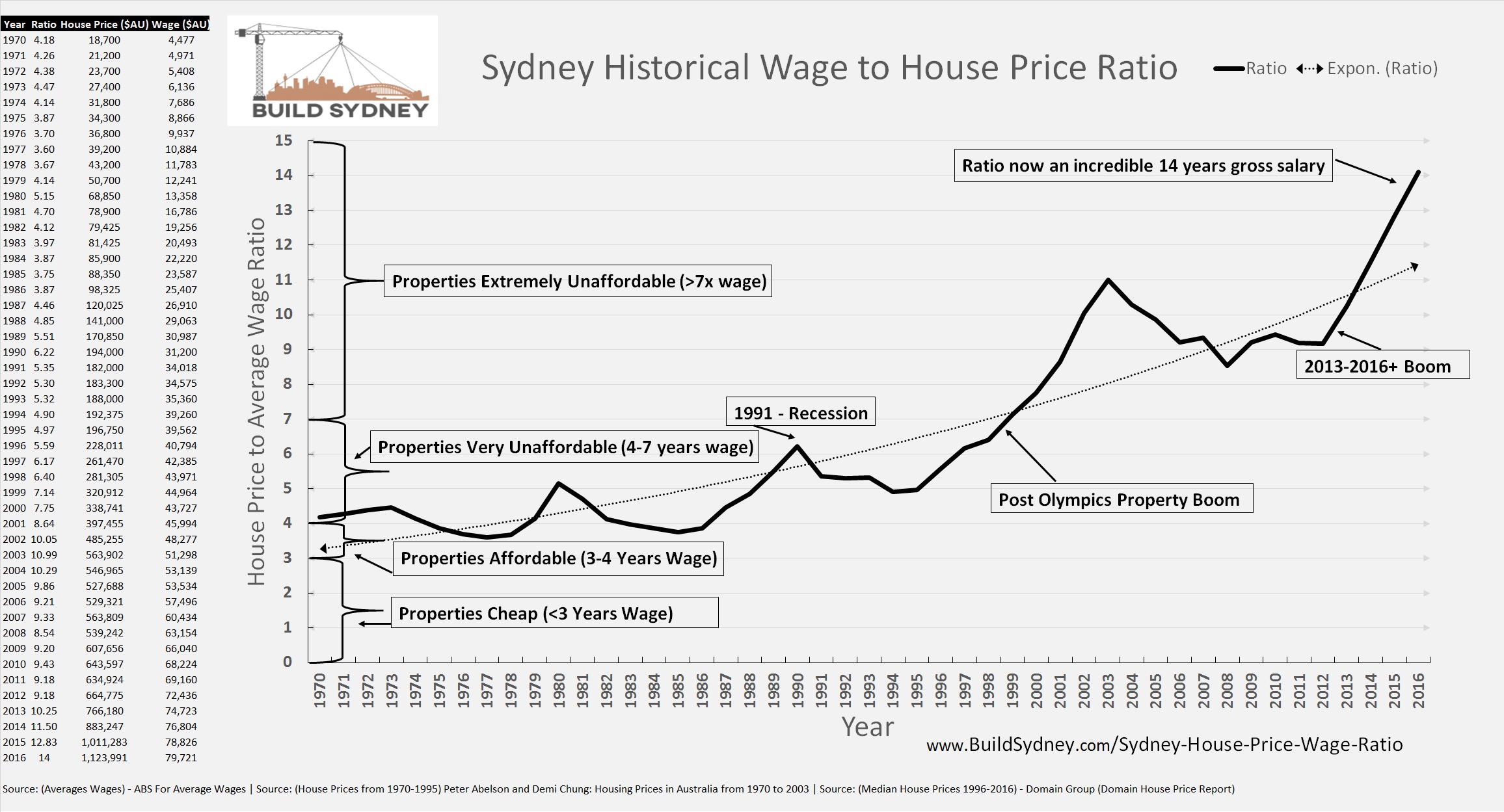
Homeowners should also be sure that they can afford the various costs that come with homeownership, that can run up to a thousand dollars a month for the average home. These costs include home insurance, property tax, town council fees, the cost of electricity, maintenance costs, etc. The final affordable metro area in the U.S. is Cincinnati, with a house-price-to-income ratio coming in at exactly the recommended 2.6. Rounding out the top five is this historic Alabama city, with a house-price-to-income ratio of 2.5, based on an average home price of $197,416, and an average income of $78,000. The rate of homeownership has fallen with each generation since baby boomers. In a country that holds up homeownership as a pillar of community and wealth creation, that’s a puzzling trend.
HDB occupancy cap for renting out flats does not apply to family members who can live in the same unit
In 2020, Real Estate Witch was acquired by Clever Real Estate, a free agent-matching service that has helped consumers save $70 million on realtor fees. Real Estate Witch’s research has been featured in CNBC, Yahoo! Finance, Chicago Tribune, Black Enterprise, and more. The average house-price-to-income ratio in the U.S. is 5.4, much higher than the “healthy” 2.6 experts recommend. The average house-price-to-income ratio is 5.4, more than double the maximum of 2.6 experts recommend. For example, new working adults could find that they are not able to set aside 30 per cent of their income on housing while those generating high incomes can afford to spend more of their income on their home.

This extremely livable Midwest city boasts a house-price-to-income ratio of 2.5, with an average home value of nearly $209,000 and an average income of $84,900. This midsized Ohio city takes second place on this list, with a house-price-to-income ratio of 2.4, thanks to an average home value of just over $186,500 and an average income of $78,600. For many Americans, homeownership is completely out of reach, with sky-high rents making it impossible to save for a large down payment.
An Explainer: Price-to-Income Ratio
Connect with top-rated agents near you and save thousands on commission fees. As a result, we advise caution when comparing national to metro statistics from these analyses. The Harvard Joint Center for Housing Studies advances understanding of housing issues and informs policy. Through its research, education, and public outreach programs, the Center helps leaders in government, business, and the civic sectors make decisions that effectively address the needs of cities and communities. Through graduate and executive courses, as well as fellowships and internship opportunities, the Center also trains and inspires the next generation of housing leaders.
The DSR refers to the proportion of the monthly household income set aside for housing installments. This resurgent Rust Belt city is the most affordable large metro area in America. The average home value here is just over $190,000, and the average income is $84,800, for an exceedingly reasonable house-price-to-income ratio of 2.2. Many economists note that high house-price-to-income ratios have a dire effect on low-wage service and blue-collar workers, essentially putting homeownership out of reach for them.
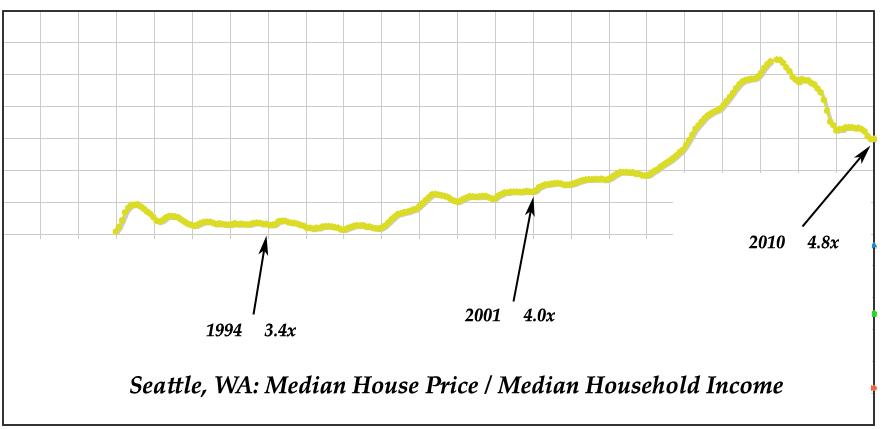
Lower payment ratios significantly limit the risk of home price declines over the next 12 months. According to the CoreLogic Market Risk Indicators, 13% of metro areas were at risk for home price decrease in 2006, but that risk fell to near zero in 2021. To boil it down to its essence, it’s because home prices are increasing at a much faster rate than wages. To make matters worse, that gap between average wages and average home prices is growing at an accelerating rate. Zillow has noticed a trend that could become problematic for both the U.S. housing market and policymakers in coming months. Although price-to-income ratios were not as high for the two new tech hubs, Seattle and Denver, they either doubled or almost doubled the healthy average of 2.6.
Book and manage lawn care and landscaping services with the click of a button. Junk King provides eco-friendly and reliable junk removal.hauling services for businesses and residences. Shop custom-printed products, including yard signs, riders, banners, flags, business cards, and more. Purchase floor covering products for residential and commercial projects. To put it simply, houses are getting more expensive while people are making the same money.
While some luxuries may seem worth it in the present, it may not always be the most cost-effective in the long-run, especially for tenants who do not own homes. For starters, tenants should consider living in a less expensive neighbourhood to keep rent manageable. Purchase high-quality appliances direct from GE at discount member prices. Optimize your lead generation and online presence with digital marketing agency iFocus.
Nearly 90% of major metros have a house-price-to-income ratio that exceeds the maximum recommended ratio of 2.6. Accounting for inflation, house prices have soared by 118% since 1965, despite the fact that income has only increased by 15%. Projected payment calculated using the HPI forecast increase of 2.8%, a fixed-rate mortgage increase to 3.5% and a 2% increase in the consumer price index. In conclusion, the per cent cap on monthly spending on housing costs is a good starting point for homeowners and tenants alike. It must be noted, however, each budget is different and that this maximum limit is simply a guideline. OKC takes third on this list with a very healthy house-price-to-income ratio of 2.5, thanks to a very low average home value of $179,582 and an average income of $73,200.
Get the latest real estate news and tips with our free weekly newsletter.
However, home prices increased 531% since 1960, reserving homeownership for the hyper-rich, despite the financial growth of the metro. For context, the median home price in 1960 adjusted for 2017 inflation was $134,713, whereas in 2017, the median home price was $849,500. The affordability index measures the percentage of a homeowner's monthly income devoted to housing payments.
In other countries, in areas away from centres of population or economic activity, the Home Price to Income ratio could be lower. Looking at our data and reported findings, it's no surprise that the American Dream is transforming. According to Massachusetts Mutual Life Insurance’s survey, 71% of respondents use vague terms such as “financial independence” when describing the American Dream rather than equating it with homeownership.


No comments:
Post a Comment